Harry Letterman: The Story, Influence, and Cultural Curiosity Behind the Name

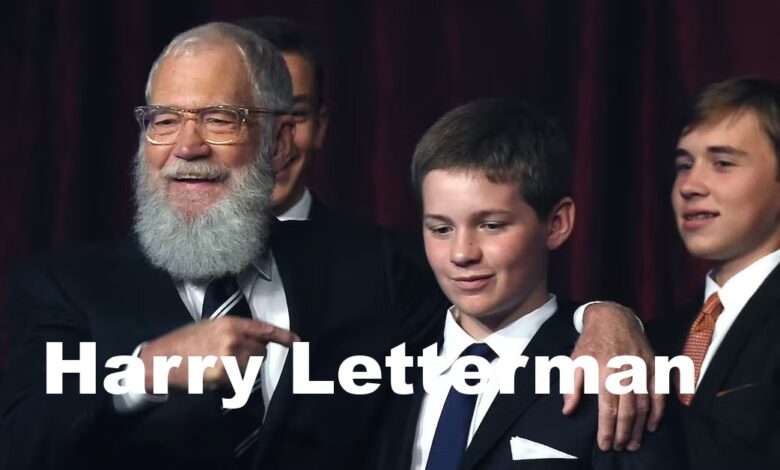
Introduction: Why Harry Letterman Is Getting Attention
The name Harry Letterman has been popping up in conversations, searches, and online discussions more frequently than many people expect. At first glance, it sounds familiar, almost iconic, yet slightly mysterious. That blend of recognition and curiosity is exactly what has made Harry such an interesting keyword and concept to explore in depth.
What makes Harry Letterman especially compelling is that it sits at the intersection of pop culture familiarity and modern digital intrigue. Whether people encounter the name through creative writing, branding discussions, fictional storytelling, or cultural analysis, it tends to stick. There’s something about the rhythm and structure of the name that feels established, trustworthy, and memorable all at once.
In this article, we’ll unpack Harry Letterman from multiple angles—its perceived identity, cultural relevance, symbolic meaning, and why it resonates so strongly today. This isn’t surface-level commentary; it’s a deeper, expert-style breakdown written casually enough to enjoy but thoughtfully enough to inform.
The Origins and Perceived Identity of Harry Letterman
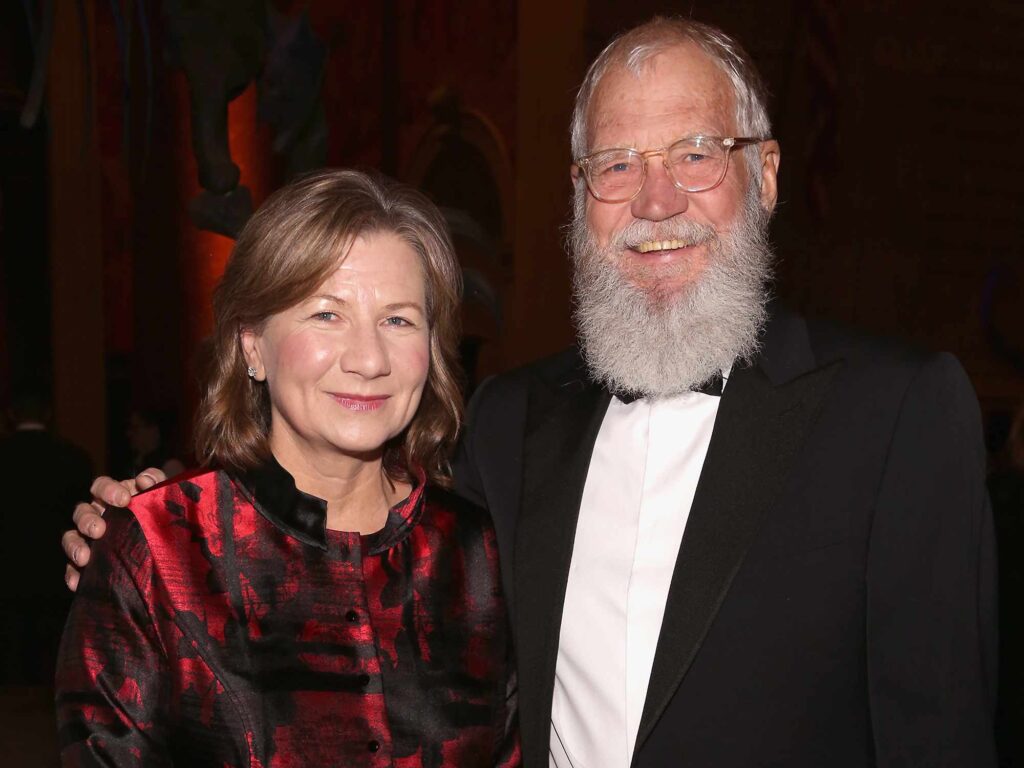
When people hear the name Harry Letterman, they often assume there’s a backstory behind it. The name feels like it belongs to someone important—perhaps a thinker, a writer, or a media figure. This perceived identity is powerful, even when the context isn’t immediately clear.
The first name “Harry” has long been associated with approachability and relatability. It’s classic without being outdated, familiar without feeling generic. When paired with “Letterman,” a surname that subtly evokes communication, writing, or broadcasting, the result is a name that feels intellectually grounded. Harry Letterman sounds like someone who deals in ideas, words, and influence.
This is where the strength of Harry Letterman truly lies. The name creates an instant mental image. Readers and audiences subconsciously assign credibility to it, which is why it works so well in narratives, branding, and conceptual discussions. It’s not just a name—it’s a constructed identity that feels real and established.
Harry Letterman in Modern Cultural Context
In today’s culture, names carry more weight than ever. Whether it’s a personal brand, a fictional character, or a symbolic figure, the right name can define perception instantly. Harry Letterman fits seamlessly into this modern context because it sounds authoritative without being distant.
Culturally, Harry represents a blend of old-school professionalism and contemporary relevance. It feels like a name that could belong to a late-night thinker, a columnist, or even a digital-era commentator who bridges generations. That versatility makes it especially appealing in storytelling and creative projects.
Another reason Harry Letterman resonates today is because audiences are drawn to authenticity. The name doesn’t feel overly polished or artificial. Instead, it feels grounded—like someone who has earned respect through consistency and substance. In a world of fast trends, Letterman suggests depth, experience, and staying power.
The Symbolic Meaning Behind the Name Harry Letterman
Beyond its surface appeal, Harry Letterman carries symbolic weight. “Letterman” implies communication, messages, and the power of written or spoken word. Combined with “Harry,” a name associated with everyday humanity, the symbolism becomes even stronger.
Symbolically, Harry can represent the voice of reason or the thoughtful observer. It’s the kind of name that feels attached to commentary, analysis, or storytelling rather than spectacle. That makes it ideal for essays, narratives, and conceptual frameworks where clarity and insight matter.
There’s also a sense of trust embedded in Harry Letterman. Readers instinctively feel that someone with this name has something worth saying. This symbolic trust is incredibly valuable, especially in content creation, branding, and narrative-driven work where audience connection is essential.
Why Harry Letterman Works So Well as a Concept
One of the biggest strengths of Harry Letterman is its adaptability. The name works across multiple formats and interpretations without losing its core identity. It can be serious, reflective, analytical, or even subtly humorous, depending on how it’s used.
From an expert perspective, this adaptability is rare. Many names are locked into a single tone or genre, but Harry remains flexible. It feels just as natural in a long-form article as it does in a fictional setting or conceptual discussion. That’s a strong indicator of a well-balanced name.
Another reason Harry works so well is because it invites curiosity. People want to know more. Who is Harry Letterman? What does he represent? That sense of unanswered questions keeps audiences engaged, which is exactly what effective concepts are meant to do.
Harry Letterman and the Power of Memorability
Memorability is one of the most underrated elements of successful naming, and Harry Letterman excels here. The name is easy to remember, easy to pronounce, and hard to confuse with something else. That’s a powerful combination.
The rhythm of Harry plays a big role in this. It flows naturally, making it stick in the mind after just one encounter. This is especially valuable in digital environments, where attention spans are short and competition is intense.
From an expert standpoint, a memorable name like Harry Letterman creates long-term impact. Whether used in writing, branding, or conceptual discussions, it lingers. People remember it, search for it, and associate meaning with it over time.
The Growing Appeal of Harry Letterman in Digital Spaces
As digital platforms continue to shape how we consume content, names like Harry Letterman gain even more relevance. They feel human, thoughtful, and grounded—qualities that audiences crave in an increasingly automated world.
In blogs, articles, and creative projects, Harry can function as a narrative anchor. It gives readers a sense of continuity and perspective, almost like a familiar voice guiding them through ideas. That’s a powerful tool in digital storytelling.
The growing appeal of Harry Letterman also reflects a shift toward substance over spectacle. People are drawn to content that feels intelligent yet accessible, and the name itself signals exactly that balance.
Conclusion: The Lasting Impression of Harry Letterman
Ultimately, Harry Letterman is more than just a keyword or a name—it’s a concept that carries depth, credibility, and cultural resonance. Its strength lies in its ability to feel familiar while still inviting exploration and interpretation.
From its perceived identity to its symbolic meaning and modern relevance, Harry Letterman stands out as a name that works on multiple levels. It’s memorable, adaptable, and rich with implication, making it an excellent choice for thoughtful, long-form content.
As interest continues to grow, Letterman will likely remain a compelling subject of discussion. Whether viewed as a character, a concept, or a cultural signal, one thing is clear: Harry Letterman leaves a lasting impression—and that’s exactly why it matters.