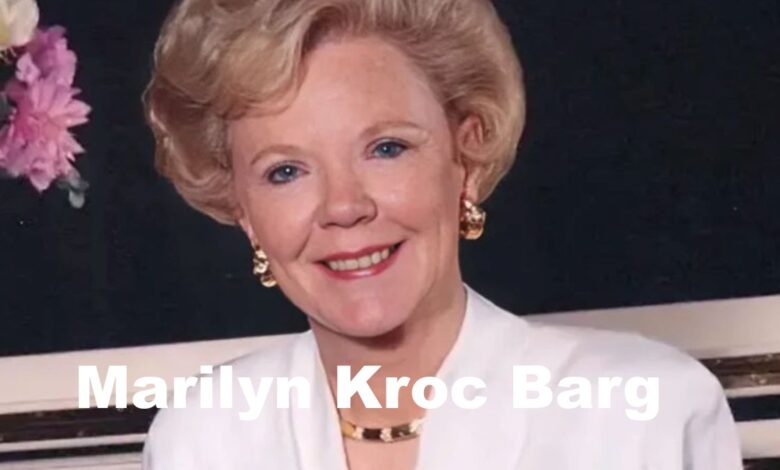
Marilyn Kroc Barg is a name that doesn’t often appear in headlines, yet her life story is deeply connected to one of the most powerful business empires of the 20th century. As the widow of Ray Kroc, the man who transformed McDonald’s into a global fast-food phenomenon, Marilyn Kroc played a crucial role in shaping one of the largest philanthropic legacies in American history.
While Ray Kroc was known for his aggressive business instincts and relentless expansion strategy, Marilyn Kroc Barg represented a quieter, more reflective counterbalance. She lived largely out of the public spotlight, yet her influence became most visible after Ray Kroc’s death, when she directed enormous wealth toward causes that continue to impact millions of lives.
Understanding Marilyn Kroc Barg is not just about tracing her connection to McDonald’s wealth; it’s about recognizing how personal values, discretion, and philanthropy can shape history just as profoundly as corporate ambition.
Early Life and Background of Marilyn Kroc Barg
Marilyn Kroc Barg was born Marilyn Janet Smith in the United States, long before her life intersected with one of the most iconic businessmen in modern history. Compared to the dramatic rise of McDonald’s, her early life was relatively modest and private. She was not born into wealth or fame, and little public documentation exists about her childhood years.
What is known is that Marilyn Kroc Barg valued privacy, family, and stability from an early age. Unlike many figures associated with enormous fortunes, she did not seek public attention or celebrity status. This reserved personality would later shape how she handled both wealth and philanthropy.
Her background helped form a grounded perspective that would become increasingly important once she entered the world of extraordinary financial power. Marilyn Kroc Barg never defined herself by money alone, which explains why she later became known more for generosity than for luxury or extravagance.
Marriage to Ray Kroc and Life as His Partner
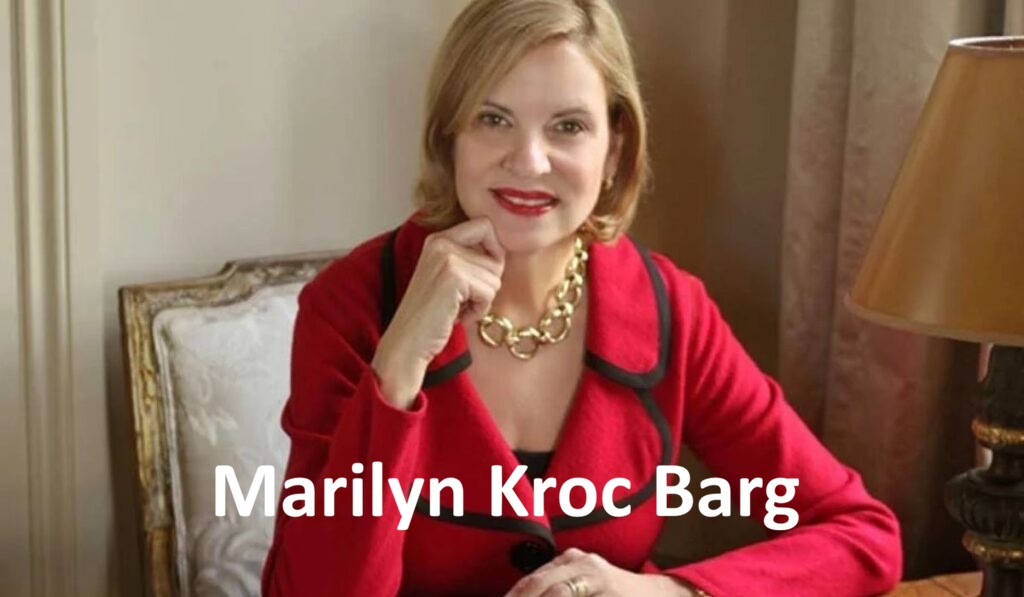
Marilyn Kroc Barg married Ray Kroc in 1969, at a time when McDonald’s was already well on its way to becoming a global brand. Ray Kroc was older, intensely driven, and deeply focused on business expansion. Their marriage was his third, and Marilyn entered his life during a period of immense professional pressure and success.
As Ray Kroc’s wife, Marilyn Kroc Barg experienced a world of wealth that few people ever encounter. However, she maintained a relatively low profile, rarely engaging in public appearances or media interviews. Instead, she supported Ray Kroc privately, offering stability in a life dominated by constant business demands.
Despite the vast fortune associated with McDonald’s, Marilyn Kroc Barg did not adopt a flashy public persona. Her role was not that of a corporate spokesperson or socialite. Instead, she functioned as a steady presence, someone who understood the weight of success without being consumed by it.
Marilyn Kroc Barg After Ray Kroc’s Death
Ray Kroc passed away in 1984, leaving behind an estimated fortune worth hundreds of millions of dollars. At that moment, Marilyn Kroc Barg inherited not just wealth, but also responsibility. The decisions she made in the years that followed would define her legacy far more than her years as Ray Kroc’s wife.
Unlike many heirs to massive fortunes, Marilyn Kroc Barg chose not to expand personal luxury or visibility. Instead, she turned her focus toward philanthropy, honoring Ray Kroc’s charitable interests while also expanding upon them. She became the primary steward of the Kroc estate, carefully managing how the money would be used.
Her actions demonstrated a deep understanding of long-term impact. Marilyn Kroc Barg believed wealth should serve a purpose beyond personal comfort. This belief ultimately led to some of the largest charitable contributions ever made by an individual in American history.
Philanthropy and the Kroc Legacy
One of the most defining aspects of Marilyn Kroc life was her dedication to philanthropy. Following Ray Kroc’s death, she significantly expanded charitable giving through the Kroc Foundation. Her approach was strategic, intentional, and focused on institutions that could create lasting change.
Perhaps the most famous example of her generosity was her monumental donation to the Salvation Army. In 1998, Marilyn Kroc Barg left a bequest of approximately $1.5 billion to the organization, earmarked for the creation of community centers across the United States. This single act transformed the Salvation Army’s ability to serve underserved communities.
These community centers, later known as Kroc Centers, provide educational programs, recreational facilities, and social services to thousands of families. Through this contribution, Marilyn Kroc Barg ensured that her wealth would continue to improve lives long after her passing.
Marilyn Kroc Barg Values and Personal Philosophy
Marilyn Kroc Barg was guided by a strong sense of purpose rather than public recognition. She believed that philanthropy should be effective, not performative. This philosophy explains why she avoided media attention and allowed her charitable actions to speak for themselves.
Her values were rooted in compassion, responsibility, and faith. She believed wealth carried moral obligations, especially when that wealth was built from a global consumer base. Rather than hoarding resources, Marilyn Kroc Barg viewed money as a tool for social good.
This mindset distinguished her from many other wealthy figures of her era. She demonstrated that it was possible to wield enormous financial power with humility, restraint, and genuine concern for others.
Why Marilyn Kroc Barg Remains Largely Unknown
Despite her extraordinary influence, Marilyn Kroc Barg remains relatively unknown to the general public. This is largely by design. She intentionally avoided publicity, interviews, and public events that might draw attention to her personal life.
In an age where wealth often equates to visibility, Marilyn Kroc Barg chose anonymity. She believed charitable work did not require personal branding or public validation. This decision has contributed to her absence from popular business or celebrity narratives.
Yet, within philanthropic and nonprofit circles, her name carries immense respect. Marilyn Kroc Barg is often cited as an example of how quiet generosity can create systemic, long-lasting change without fanfare.
Marilyn Kroc Barg Lasting Impact on Society
The impact of Marilyn Kroc philanthropy continues to be felt decades after her passing in 2003. The institutions she supported remain active, serving communities, funding research, and providing essential services to vulnerable populations.
Her legacy proves that influence does not require visibility. Marilyn Kroc Barg shaped lives not through speeches or headlines, but through careful planning and meaningful financial commitment. Her work exemplifies how wealth, when directed wisely, can become a force for widespread good.
Today, the name Marilyn Kroc Barg stands as a reminder that behind many great empires are individuals who choose compassion over recognition. Her story offers a powerful lesson in stewardship, humility, and purposeful giving.
Final Thoughts on Marilyn Kroc Barg
Marilyn Kroc Barg was far more than the wife of a fast-food pioneer. She was a thoughtful philanthropist, a private individual with strong values, and a steward of one of the most impactful charitable legacies in American history.
Her life challenges common assumptions about wealth and influence. Instead of chasing attention, Marilyn Kroc Barg focused on outcomes. Instead of building a public image, she built institutions that continue to serve millions.
In a world increasingly driven by visibility and self-promotion, the story of Marilyn Kroc Barg stands out as a powerful example of how quiet leadership can leave the loudest legacy.