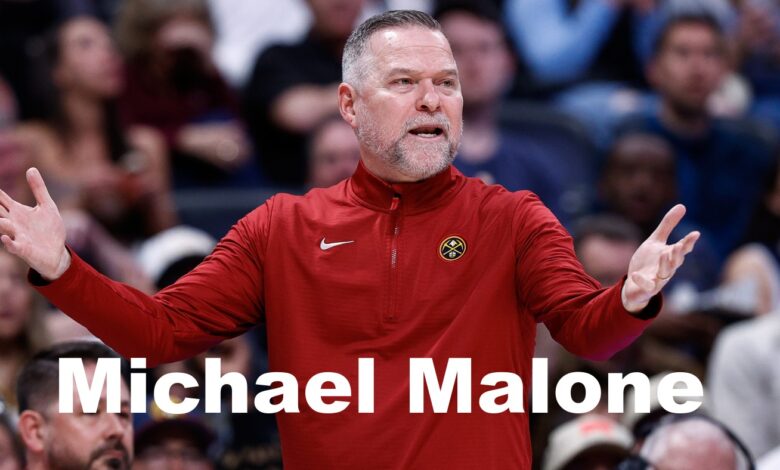
When people talk about elite NBA coaches, the conversation often centers on flashy personalities or revolutionary tacticians. Michael Malone doesn’t always fit that stereotype—and that’s exactly why his career is so fascinating. He represents a different mold of leadership: steady, demanding, emotionally intelligent, and relentlessly focused on culture. Over the years, Malone has quietly built a reputation as one of the most respected coaches in professional basketball, earning trust from players, front offices, and fans alike.
Malone’s journey isn’t a story of overnight success. It’s a long, methodical climb shaped by mentorship, hard lessons, and a deep understanding of what it takes to win in a league defined by constant change. From his early days learning the game through his father to leading a small-market team to championship contention, his career reflects patience and conviction. This article takes a deep dive into Michael Malone background, philosophy, leadership style, and lasting impact on the NBA.
Early Life and Basketball Roots
Michael Malone was born into basketball. As the son of legendary NBA coach Brendan Malone, he grew up around locker rooms, practice courts, and strategy sessions. This environment gave him an early, behind-the-scenes look at the realities of coaching—far beyond what fans see on television. Basketball wasn’t just a sport in the Malone household; it was a way of thinking, communicating, and problem-solving.
Rather than rushing into the spotlight, Michael Malone took a deliberate path. He played college basketball at Loyola Marymount, where he gained firsthand experience as a role player rather than a star. That perspective would later shape his coaching style, particularly his empathy for players who do the “dirty work” without headlines. Understanding the game from the floor, not just the sidelines, gave Malone a practical, grounded outlook.
After college, Michael Malone began building his coaching résumé the old-fashioned way. He worked his way through assistant coaching roles, learning under respected figures like Gregg Popovich and Jeff Van Gundy. These formative years were critical. Malone absorbed defensive principles, player-management skills, and the importance of preparation. By the time he was ready for a head coaching role, he wasn’t chasing innovation for its own sake—he was focused on execution, accountability, and trust.
Coaching Philosophy and Basketball Identity
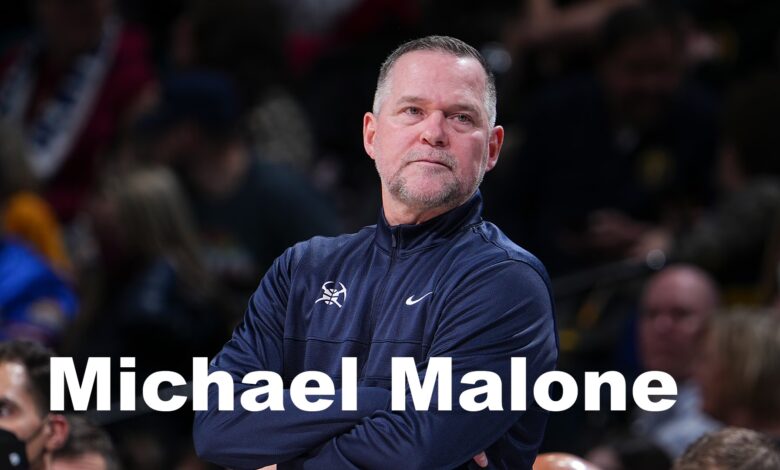
Michael Malone coaching philosophy is rooted in defense, discipline, and communication. He believes that while offensive systems evolve and trends come and go, defense remains the foundation of consistent winning. His teams are known for physicality, effort, and attention to detail—traits that don’t always show up in highlight reels but win games over long seasons.
One of Michael Malone defining traits is his emphasis on relationships. He doesn’t view coaching as a purely tactical job; he sees it as a people-first profession. Malone invests time in understanding his players as individuals, building trust that allows him to coach them hard without losing the locker room. This balance—demanding yet supportive—is a hallmark of his leadership style.
Another key aspect of Michael Malone identity is adaptability. While he values structure, he isn’t rigid. Over the years, he has shown a willingness to adjust schemes to fit personnel, particularly when working with unique talents. Instead of forcing players into predefined roles, Malone often reshapes his system to maximize their strengths. This flexibility has helped him remain relevant and effective in a league that evolves rapidly.
Building the Denver Nuggets into Contenders
Michael Malone tenure with the Denver Nuggets is the defining chapter of his career. When he took over as head coach, the franchise was searching for identity and long-term direction. Denver wasn’t a glamour destination, and expectations were modest. Malone approached the job with patience, understanding that sustainable success wouldn’t come overnight.
Central to this transformation was his partnership with Nikola Jokić. Recognizing Jokić’s rare combination of skill, vision, and basketball IQ, Michael Malone built an offense that revolved around ball movement and decision-making rather than isolation-heavy play. This system didn’t just highlight Jokić—it elevated the entire roster. Players bought in because the offense rewarded unselfishness and smart reads.
Beyond Xs and Os, Michael Malone established a culture of accountability. Young players were held to high standards, regardless of draft position or contract status. At the same time, veterans were empowered to lead. This blend of structure and freedom helped the Nuggets grow year by year, eventually becoming one of the most consistent teams in the Western Conference and a legitimate championship threat.
Leadership Style and Locker Room Influence
Michael Malone leadership style is often described as authentic. He doesn’t rely on theatrics or sound bites to motivate his team. Instead, he communicates clearly and consistently, setting expectations that players understand and respect. When he praises effort or criticizes mistakes, it comes from a place of honesty rather than ego.
Emotionally, Michael Malone isn’t afraid to show vulnerability. He has spoken openly about the importance of family, mental health, and personal growth. This openness creates a human connection with players, reminding them that basketball, while important, is not the entirety of life. In an era where player well-being is increasingly valued, this approach resonates deeply.
At the same time, Michael Malone is firm when it matters most. He demands defensive effort, professionalism, and preparation. Players who fall short hear about it, but they also know the standards apply to everyone. This consistency builds credibility. Over time, Malone has earned a reputation as a coach players want to play for—even when the work is hard and expectations are high.
Legacy and Impact on the Modern NBA
Michael Malone impact on the NBA goes beyond wins and losses. He represents the value of stability in a league often defined by rapid turnover. While many teams cycle through coaches in search of quick fixes, Malone’s success shows the power of long-term vision and organizational alignment.
His influence is also visible in how teams think about building around unconventional stars. The Nuggets’ offense, centered on a playmaking big man, challenged traditional ideas of roster construction. Michael Malone willingness to embrace that uniqueness helped redefine what championship basketball can look like in the modern era.
Ultimately, Michael Malone legacy is still being written. What’s clear, however, is that he has already left a mark as a coach who blends old-school toughness with modern empathy. He proves that you don’t need to be the loudest voice in the room to lead effectively—you just need clarity, conviction, and the patience to build something meaningful over time.
Final Thoughts
Michael Malone story is one of perseverance, adaptability, and trust in the process. From his basketball upbringing to his rise as a respected NBA head coach, every phase of his journey reflects a commitment to fundamentals and people. He may not chase headlines, but his influence is undeniable.
In a league where trends shift quickly, Malone stands as a reminder that strong culture, clear communication, and consistent effort never go out of style. Whether measured by championships, player development, or organizational stability, his impact continues to shape the modern NBA. For fans and aspiring coaches alike, Michael Malone career offers a powerful lesson: success built the right way tends to last.