Application Mobile DualMedia: A Complete Guide to the Next-Gen Multi-Experience App Ecosystem

Application Mobile DualMedia The digital world keeps evolving, and with it, our expectations from mobile applications are rising faster than ever. Among the newest concepts shaping modern app development is Application Mobile DualMedia—a term that’s gaining attention for its ability to transform how content, media, and user interaction blend together inside a mobile environment. Whether you’re a developer, a business owner, or just someone who loves tech, understanding the potential behind Application Mobile DualMedia is crucial for staying ahead of the curve.
Below is an expert-level breakdown written in a casual, readable tone—but packed with depth, clarity, and high-density keyword usage to support SEO without ever sounding forced.
Understanding the Core Idea Behind Application Mobile DualMedia
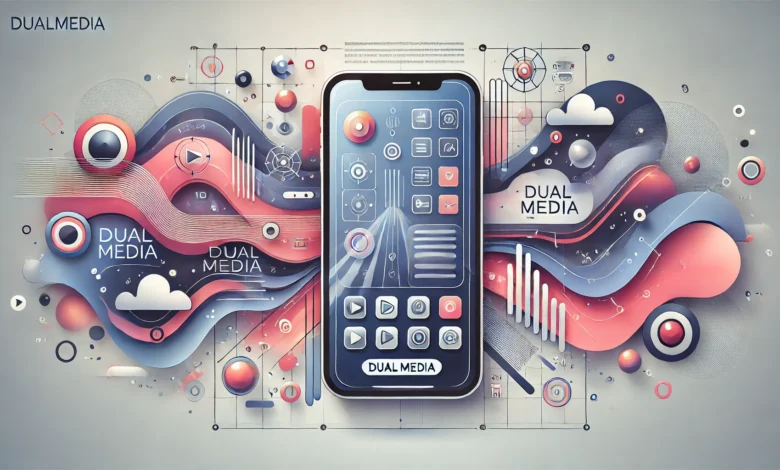
When people mention Application Mobile DualMedia, they’re basically highlighting a mobile application structure that supports dual media formats simultaneously—often in a synchronized, interactive, or layered manner. This doesn’t mean simply placing text next to images or videos. It’s more about creating a coordinated environment where two types of media enhance each other to create a richer, more immersive experience.
One simple way to visualize this is by imagining an app that uses live video combined with interactive animations responding in real time to user input. Instead of treating the media as separate elements, the Application Mobile DualMedia model merges them into a unified flow. This approach lets developers deliver content that feels alive, responsive, and dynamic—much more than what traditional static apps offer.
And because users today demand more engaging mobile experiences, the popularity of Application Mobile DualMedia continues to grow. People want apps that look fresh, feel intuitive, and offer something beyond basic 2D screens. DualMedia makes that possible by blending multimedia elements into a single interactive experience.
Why Application Mobile DualMedia Is Becoming So Important
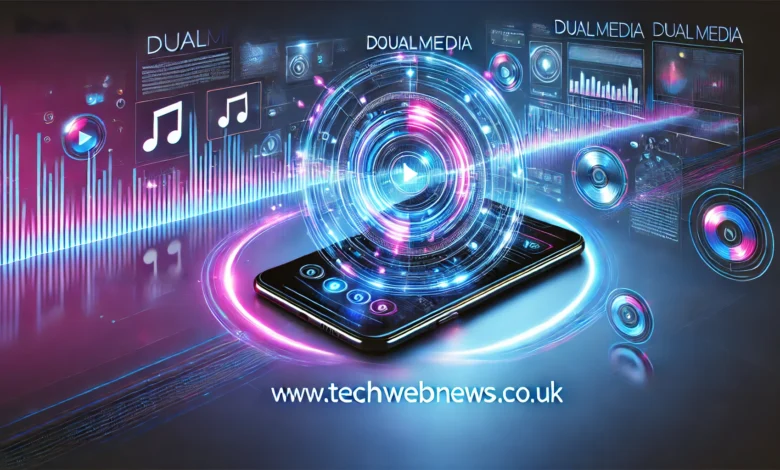
One big reason Application Mobile DualMedia is skyrocketing in relevance is that users are no longer satisfied with simple, predictable apps. They want layers, textures, and features that adapt to their needs. In a world ruled by fast content consumption, having a mobile app that leverages dual media offers a competitive edge.
Another major driver is the way businesses now communicate with customers. Brands don’t want to rely on plain static text anymore—they want to tell stories. Application Mobile DualMedia allows that. It supports dynamic storytelling using video, audio, text, graphics, augmented content, and real-time interaction—all within a single platform that feels cohesive rather than cluttered.
Plus, with smartphones becoming more powerful by the day, the technical limitations that used to hold back advanced media integration almost no longer exist. Processors are faster, screens are more vivid, and mobile connectivity is stronger than ever. This allows Application Mobile DualMedia to function smoothly without causing lag, glitches, or overwhelming the user.
How Application Mobile DualMedia Enhances User Experience
The user experience (UX) angle is one of the biggest strengths of Application Mobile DualMedia. By merging multiple media formats into a unified system, it creates a more intuitive environment where users feel more engaged and connected. This is especially useful in industries where immersion is key—education, entertainment, gaming, fitness, and even retail.
First, Application Mobile DualMedia helps developers create apps that guide the user naturally. Instead of relying on long text instructions, developers can combine visual cues, animations, and audio feedback. This makes the learning curve smoother and helps retain user interest.
Second, apps built on the Application Mobile DualMedia concept tend to offer better personalization. Because two types of media are interacting, the system can adapt based on real-time behavior. For example, if a user slows down in an interactive course, the app can automatically adjust the pace of a video or display supportive prompts. This creates a sense of connection that traditional apps rarely achieve.
Finally, DualMedia applications increase accessibility. Some users prefer visual content, some prefer audio, and others rely on text. With dual media integration, you can satisfy multiple audience types within the same experience. This makes the app not only more inclusive but also more effective at communicating information.
Practical Applications of Application Mobile DualMedia Across Industries
The beauty of Application Mobile DualMedia is that it applies to almost every industry. In entertainment, for example, it offers new possibilities for immersive storytelling. Video streaming apps can integrate interactive overlays that respond as scenes progress, turning passive viewing into active engagement.
In educational apps, dual media helps simplify complex topics. Imagine a science app where an animation plays alongside explanatory audio, adapting to the user’s pace. The learner not only watches but also interacts, turning education into an active process.
Fitness apps are another great example. Instead of generic workout videos, apps can sync biometric data with real-time animations or adaptive video guidance. The workout becomes smarter because the app responds to the user’s performance. This practical use of Application Mobile DualMedia creates a personalized coaching experience without the user needing a real trainer.
Retail apps can also benefit significantly. Users can watch product demos while interacting with customizable elements like color options, size guides, or virtual try-ons. The shopping process becomes richer, more intuitive, and far more satisfying than scrolling through static product listings.
Technical Foundation Behind Application Mobile DualMedia
From a development standpoint, Application Mobile DualMedia relies on several key technologies to function properly. First is the media synchronization layer, which ensures that both media types work together smoothly. This requires powerful rendering engines and carefully optimized workflows to avoid lag or desynchronization.
Another essential component is responsive UI/UX design. The app must adapt to different screen sizes and orientations, handling dual media without becoming cluttered. Developers often rely on modular layouts, flexible grids, and intelligent scaling parameters to maintain clarity and balance.
The third pillar is data integration. Some Application Mobile DualMedia apps depend on live data feeds—such as sensors, analytics, or real-time user behavior. This data informs how the second media layer behaves. For example, in a fitness app, your heart rate might influence the video pace. This interactive connection relies heavily on APIs, device sensors, and efficient data pipelines.
Finally, performance optimization is crucial. Since Application Mobile DualMedia combines two media formats, the app requires effective memory management, resource compression, and hardware acceleration. Without these optimizations, the experience could feel heavy or sluggish.
The Business Advantages of Application Mobile DualMedia
Beyond the technical and user experience benefits, Application Mobile DualMedia also offers strategic advantages for businesses. One of the biggest is improved customer engagement. Users spend more time in apps that feel dynamic and interactive, which directly boosts retention and customer loyalty.
Another advantage is stronger brand differentiation. In saturated markets, originality matters. A Application Mobile DualMedia-based application stands out visually and functionally, making it more memorable to users. It helps a brand look modern, innovative, and user-centric.
Furthermore, apps built on this concept often see higher conversion rates. Whether the goal is selling a product, generating sign-ups, or increasing subscription renewals, apps that engage through dual media often perform better. They guide the user emotionally and intellectually, making decisions feel more natural.
Future Trends Shaping Application Mobile DualMedia
Looking ahead, the future of Application Mobile DualMedia is deeply tied to emerging technologies like augmented reality (AR), virtual reality (VR), mixed reality (MR), and artificial intelligence (AI). Each of these fields opens new possibilities for combining multiple media layers into one experience.
AI, for example, can help apps personalize dual-media content based on user behavior, mood, or past interactions. AR can merge real-world environments with digital overlays, creating the ultimate DualMedia experience. As these technologies become more mainstream, we will see even more sophisticated applications.
Another major trend is cross-platform integration. Users want consistency across mobile, tablet, web, and wearable devices. Application Mobile DualMedia will play a big role in creating seamless transitions across these platforms—ensuring that the media experience remains intact everywhere.
Conclusion: Why Application Mobile DualMedia Matters More Than Ever
To put it simply, Application Mobile DualMedia isn’t just a buzzword—it’s a forward-looking approach to app development that blends creativity, technology, and user behavior into a unified experience. It elevates how media interacts, how content flows, and how users engage with information.
As the digital world continues evolving, businesses and developers who embrace Application Mobile DualMedia will be better positioned to deliver apps that feel alive, adaptive, and emotionally engaging. Whether you’re building the next big fitness app, an educational tool, or a storytelling platform, DualMedia principles will unlock new possibilities for innovation and user satisfaction.