
The NSCorp mainframe has become one of the most talked-about systems in the transportation and logistics world. Whether you’re part of a rail operations team, an IT manager at a mid-to-large organization, or simply someone fascinated by enterprise-grade computing, understanding how the NSCorp mainframe works can give you a surprisingly deep appreciation for the behind-the-scenes infrastructure that keeps goods moving across the country. In this article, we’ll break down what the system does, why it matters, how it supports mission-critical operations, and why mainframes—yes, even today—are still a powerhouse of reliability and scale.
What Is the NSCorp Mainframe?
The NSCorp mainframe refers to the large-scale computing environment used by Norfolk Southern Corporation (NSCorp) to manage and support its rail network operations. It’s the digital engine room that helps coordinate everything from routing and scheduling to crew management, billing, repairs, railcar assignments, and real-time logistics. While many businesses have moved entirely to cloud-based systems, major rail companies continue to rely on mainframes because they offer unmatched stability and capacity for processing gigantic volumes of data.
Behind the scenes, the NSCorp mainframe is designed to handle high-frequency transaction processing. Think of it as the command center that never sleeps—it processes requests, updates records, and ensures that every moving part of the NS rail ecosystem stays in sync. Even the slightest delay in such systems can lead to hours of interruptions, so reliability isn’t just convenient; it’s essential.
Another thing that sets the NSCorp mainframe apart is its scalability. Mainframes are known for processing millions of transactions per second, and industries such as transportation, banking, and government still rely heavily on them. NSCorp is no exception. The company’s rail system spans thousands of miles and interacts with countless vendors, agencies, repair teams, logistics software platforms, and end customers. The NSCorp mainframe is the glue that connects all these components into one cohesive ecosystem.
Why the NSCorp Mainframe Still Matters in a Cloud-First World
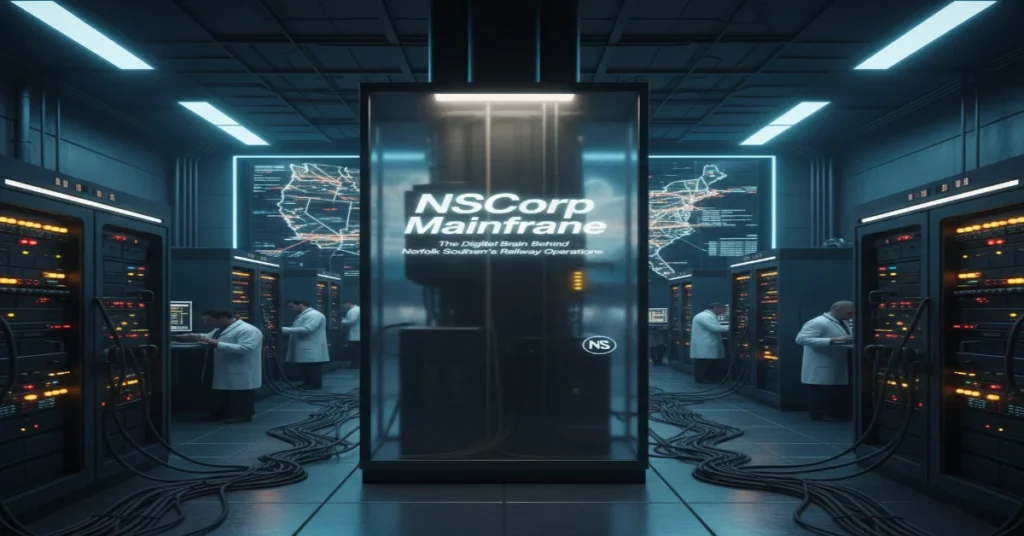
It’s easy to assume that everything should live in the cloud now, but that’s not always practical. The NSCorp mainframe proves that certain industries need something more robust than your typical cloud setup. When milliseconds matter and downtime costs millions, traditional mainframes deliver performance levels that even the most advanced cloud systems can struggle to match.
One of the biggest advantages of the NSCorp mainframe is its consistency under heavy workloads. Rail systems do not follow a simple 9-to-5 schedule. They work around the clock, 365 days a year. When trains are moving, data is moving. The mainframe ensures that every data point—speed, status, maintenance logs, routing, network constraints—flows without interruption. Even during peak demand, the system must stay rock-solid, and that’s exactly what mainframes are built for.
Another important aspect is security. Rail companies are critical infrastructure, which means they’re prime targets for cyber threats. The NSCorp mainframe is engineered with advanced multilayered security controls that allow NSCorp to protect sensitive operational data. Mainframes are notoriously difficult to breach due to their structure, access controls, and isolation from common attack vectors. While cloud providers do offer strong security, a dedicated mainframe environment provides an additional layer of protection that’s particularly valuable for industries where even a brief data breach can cause major operational or safety risks.
Finally, the NSCorp mainframe matters because of legacy system integrations. Many of NSCorp’s mission-critical applications were built decades ago, and they’ve been continuously upgraded and optimized over the years. Migrating these systems entirely to the cloud could introduce unnecessary risks. Instead, NSCorp leverages its mainframe as a stable foundation while gradually extending certain capabilities to the cloud. This hybrid approach gives them the best of both worlds.
How the NSCorp Mainframe Powers Rail Operations
The NSCorp mainframe isn’t just a giant computer; it’s a fully integrated platform that supports nearly every operational workflow inside the company. Its responsibilities span far beyond simple database processing. It acts as a real-time orchestration engine that connects physical rail activity with digital systems behind the scenes.
One major function of the NSCorp mainframe is train scheduling and dispatching. When a train is assigned a route, this information passes through the mainframe, where the system cross-checks track availability, maintenance schedules, crew availability, and regional operating conditions. In a complex rail network, no single decision happens in isolation. The NSCorp mainframe ensures that every variable aligns perfectly before approving or adjusting a plan.
Another essential role is logistics and freight management. Every railcar contains data: weight, cargo type, destination, customer details, inspection logs, and safety information. When you multiply that by thousands of railcars moving through multiple states every day, the data load becomes enormous. The NSCorp mainframe handles all of this in real time and makes sure that customers, operators, and internal teams always have accurate updates.
NSCorp Mainframe and repair operations also rely heavily on the mainframe. The system tracks everything from locomotive health to brake inspections, wheel replacements, and yard repairs. This allows NSCorp to intervene before equipment fails, saving both time and money. If a component needs attention, the mainframe logs the issue, sends alerts, and updates status reports automatically.
The Future of the NSCorp Mainframe
The NSCorp mainframe is far from outdated—in fact, many organizations are investing in modernizing their mainframe technologies rather than replacing them. NSCorp is expected to continue enhancing its mainframe architecture by incorporating AI-powered analytics, improved automation, and more cloud-integrated services.
Over the next decade, the company will likely rely on the mainframe even more as data volumes continue to grow. With smarter trains, better sensors, and more advanced logistics demands, the load on the NSCorp mainframe will only increase. Yet the platform is built precisely for this kind of long-term scalability.
We can also expect hybrid connectivity to become more common. While core transaction processing will remain on the NSCorp Mainframe, certain analytics functions and dashboards may shift to cloud-based platforms. This allows the mainframe to maintain reliability while the cloud handles visualization, reporting, and non-critical workloads.
In short, the future of the NSCorp mainframe isn’t about replacement—it’s about enhancement. It will continue to evolve, but its central role in NSCorp’s operations isn’t going anywhere.
Final Thoughts
The NSCorp mainframe is one of the most important technologies powering the modern rail system. It’s reliable, incredibly efficient, and designed to withstand the massive data and operational demands of a coast-to-coast transportation network. While the rest of the world races toward cloud-only solutions, NSCorp proves that mainframes still have a critical place in industries where precision, security, and uptime are non-negotiable.
As logistics and transportation continue to evolve, the NSCorp mainframe will remain the digital backbone that keeps everything running smoothly. Whether you’re evaluating infrastructure for your own business or simply curious about how this massive system works, understanding the NSCorp mainframe gives you a valuable glimpse into the inner workings of modern rail technology.